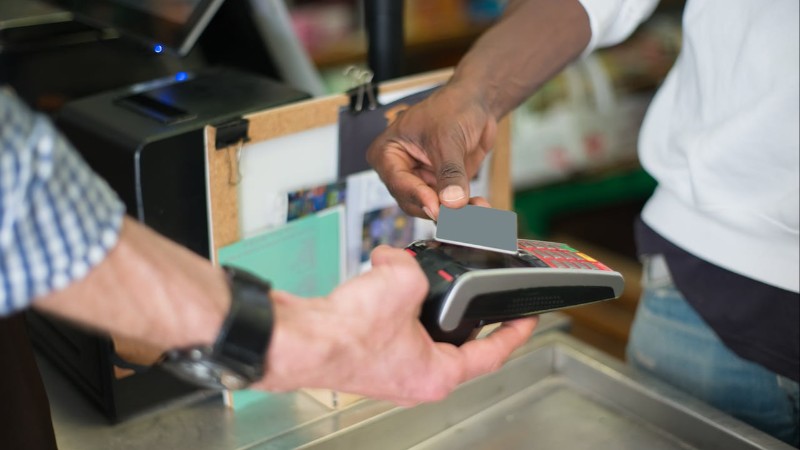
In a world that expects instant connectivity, what happens when the internet goes down at the checkout counter? Offline card payments provide a critical lifeline, allowing transactions to proceed even without a live connection. This capability is built into the modern payment infrastructure, ensuring sales aren't lost to temporary glitches.
For merchants and consumers alike, understanding how offline card payments work demystifies a process that keeps commerce flowing in markets, transit systems, and during network outages.
What Are Offline Card Payments? A Simple Definition
Offline card payments are transactions authorized and completed at a point-of-sale (POS) terminal without a real-time connection to the bank or payment network. Instead of instantly checking for sufficient funds or fraud, the terminal approves the transaction based on pre-set rules and stores the details for later processing.
The Technology Behind Offline Authorization
The heart of this process is the EMV chip embedded in your card or the secure element in a mobile wallet. This chip can perform cryptographic authentication with the terminal independently. The terminal uses parameters like a "floor limit"—a maximum transaction value set by the acquirer—to decide if it can approve the payment offline. All approved offline transactions are stored in a batch within the terminal.
Offline vs. Online Payments: The Key Difference
The fundamental difference is the dependency on a network connection. An online payment sends an authorization request directly to the card issuer for immediate approval or denial. An offline payment bypasses this step, trading real-time risk assessment for operational resilience and speed.
Common Scenarios and Use Cases for Offline Card Transactions
Offline functionality isn't used for every sale; it's reserved for specific situations where a live connection is impractical or unavailable.
Retail Environments with Unstable Internet
Pop-up shops, seasonal markets, trade show booths, and retail locations in remote areas often rely on mobile data or temporary Wi-Fi. Offline mode ensures they can accept card payments reliably despite spotty connectivity.
Transportation and Transit Systems
Speed is paramount on buses, subways, or at toll booths. Offline payments allow for near-instantaneous card taps or dips, keeping lines moving. Transactions are aggregated and submitted in bulk at the depot or central office.
Backup During Online System Failures
This is the most crucial use case for established businesses. During a widespread internet outage, payment processor downtime, or even a local network failure, switching to offline mode acts as a business continuity plan, preventing lost revenue.
The Step-by-Step Process of an Offline Payment
While it feels instantaneous to the customer, an offline payment follows a distinct multi-stage journey.
Step 1: Card Authentication at the Terminal
The customer inserts or taps their chip card. The terminal reads the chip and performs a local authentication. It checks the transaction amount against its pre-configured floor limit and other offline risk parameters. If all checks pass, it generates an approval and prints a receipt.
Step 2: Transaction Storage and Batch Processing
The approved transaction details are stored securely in the terminal's memory alongside other offline sales. Later, when the connection is restored, the merchant manually or automatically sends this entire "batch" of transactions to their payment acquirer for processing.
Step 3: Clearing, Settlement, and Funds Transfer
The acquirer routes the batch through the card networks to each card-issuing bank. The banks then perform the final checks for funds and fraud. If a card is found to be invalid or has insufficient funds, the transaction is declined at this stage. Approved transactions are settled, and funds are transferred to the merchant's account, typically within 1-3 business days.
Advantages and Potential Risks of Processing Payments Offline
Adopting offline payments is a strategic decision that balances clear benefits with manageable risks.
Key Benefits: Speed, Reliability, and Customer Experience
Faster Transactions: Without the wait for network communication, the checkout process is quicker.
Uninterrupted Service: Business does not halt due to factors outside your control.
Reduced Customer Frustration: Shoppers can complete their purchase smoothly, building trust and loyalty.
Understanding the Risks: Fraud and Default
The primary risk is financial liability. The merchant accepts the risk that a card used offline may later be declined during settlement. This can happen if the card was reported stolen, has insufficient funds, or is past its expiry date. The bank will reverse (chargeback) the transaction, and the merchant loses both the product and the payment.
Best Practices for Merchants Using Offline Payment Modes
To leverage offline payments safely, merchants should follow these guidelines.
Setting Appropriate Floor Limits
Work with your payment provider to set a floor limit that balances convenience with risk exposure. A lower limit (e.g., for a coffee shop) minimizes potential loss, while a higher limit might be necessary for certain B2B environments. Never process transactions above the terminal's floor limit offline.
Implementing a Clear Offline Payment Policy
Train staff on when and how to initiate offline payments. They should inform customers that the transaction is being processed offline and that the final charge may appear on their statement after a short delay. Always provide a receipt.
Regular Batch Submission and System Reconciliation
Submit stored batches to your acquirer as soon as a stable connection is restored—ideally by the end of each business day. Regularly reconcile your terminal's offline sales log with your bank deposits to quickly identify any declined transactions.
The Future of Offline Payments in a Connected World
As connectivity improves, the role of offline payments evolves but does not disappear.
Offline Functionality in Digital Wallets and Mobile Payments
Modern digital wallets like Google Pay and Apple Pay have incorporated offline capabilities. Using technologies like tokenization and on-device storage, they can authorize a limited number of transactions even when your phone is in airplane mode, extending this resilience to new payment forms.
Resilience as a Permanent Feature, Not a Legacy System
Offline payment capability is no longer just a backup for old systems; it's a deliberate design feature for a robust payment ecosystem. Whether for transit speed, remote commerce, or emergency backup, the ability to process transactions independently of a network will remain a cornerstone of reliable payment infrastructure.
FAQ: Your Offline Card Payments Questions Answered
Is an offline card payment safe and secure?
Yes, from a data perspective. The transaction still uses EMV chip cryptography, making card data theft difficult. The financial risk shifts to the merchant for potential chargebacks.
Can any card be used for an offline payment?
Not all cards are enabled for offline transactions. It depends on the issuer's settings. Most modern chip cards support it, but some may be restricted. The terminal will prompt for an alternative payment if offline use is not allowed.
How long does it take for an offline payment to show on my bank statement?
It typically appears within 1-3 business days after the merchant submits the batch for processing, unlike online payments which often post as "pending" immediately.
What should I do if an offline payment is later declined or reversed?
Contact the merchant first. As the liability typically falls on them for offline card payments, they will likely reach out to you to arrange an alternative form of payment for the goods or services already received.
As a merchant, am I liable for fraud in offline transactions?
Generally, yes. Because you approved the transaction without real-time issuer authorization, you assume the liability for fraud and non-sufficient funds (NSF) chargebacks. This underscores the importance of setting prudent floor limits.