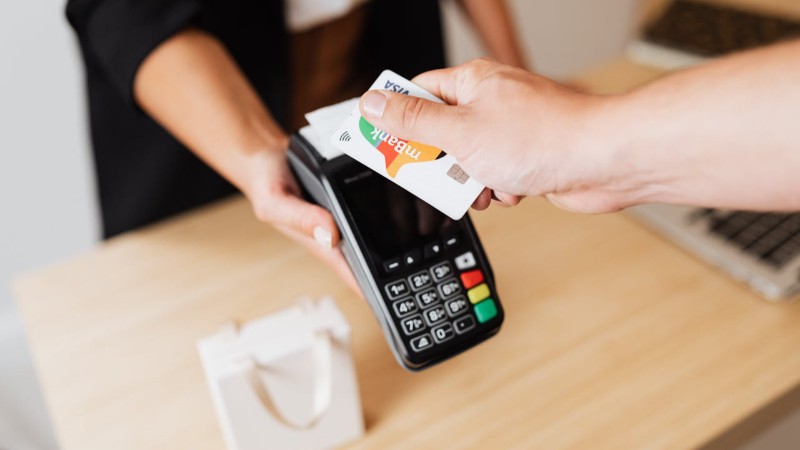
You tap, dip, or swipe your card, hear a beep, and the transaction is complete. But what happens in those few seconds? Understanding how card payments work demystifies a daily ritual and highlights the sophisticated security protecting your money. This guide walks you through the entire journey, from the point of sale to your bank statement.
The Magic Behind the Beep: Defining the POS Card Payment Ecosystem
A simple card payment is a coordinated effort between several key players. Each has a specific role in ensuring the transaction is secure, authorized, and completed successfully.
The Key Players: Cardholder, Merchant, Acquirer, Issuer, and Networks
Five main entities are involved. You, the cardholder, initiate the payment. The merchant (the store) accepts it via their Point of Sale (POS) system. The merchant's bank, or acquirer, processes payments on their behalf. Your bank, the issuer, supplied your card and manages your account. Payment networks like Visa or Mastercard act as the communication highways, routing information and rules between all parties.
The Two Core Technologies: EMV Chip & Contactless (NFC)
Today's POS card payments primarily use two secure methods. EMV chip cards are inserted (dipped) and create a unique, dynamic code for each transaction. Contactless payments, using Near Field Communication (NFC), allow you to tap a card or phone. Both are far more secure than the old magnetic stripe, which used static, easily copied data.
From Swipe to Settlement: The Step-by-Step Journey of a Card Payment
Let's trace the electronic journey of a single transaction. This process, called authorization and settlement, happens in two phases: a quick approval and a later transfer of funds.
Step 1: Initiation & Data Entry (The Dip, Tap, or Swipe)
It all starts with your action at the terminal. Whether you insert a chip, tap a card, or use a digital wallet, the POS system captures your card details and the transaction amount.
Step 2: Encryption & Transmission (Securing the Data)
Immediately, this sensitive data is encrypted. The POS system sends the scrambled packet through a secure payment gateway, which acts as a guard, to the acquirer.
Step 3: Authorization Request (Asking for Permission)
The acquirer forwards the request through the card network (e.g., Visa) to your card-issuing bank. The issuer performs lightning-fast checks: Is the card valid? Are funds available? Is the transaction pattern suspicious?
Step 4: Approval or Decline (The Instant Decision)
The issuer sends a response—an approval or decline code—back through the same path. This entire round-trip authorization typically happens in 2-3 seconds. The POS terminal displays "Approved" or asks you to try another payment method.
Step 5: Completion & Batch Settlement (Finalizing the Sale)
Approval is not payment. At this point, only a "hold" is placed on your funds. Later, usually at the end of the business day, the merchant sends all approved transactions (a batch) for settlement. This is when the acquirer and issuer exchange the actual money, which then lands in the merchant's account, often 1-2 business days later.
Security at the Point of Sale: How Your Payment Data is Protected
Modern POS card payments are designed with multiple layers of security to make fraud extremely difficult.
Tokenization: Replacing Your Real Card Number
When you tap your phone or a contactless card, tokenization often comes into play. Your actual card number is replaced with a unique, random "token." If this token is intercepted, it's useless outside that specific transaction, protecting your real account details.
The Role of EMV Chips in Preventing Fraud
EMV chip technology revolutionized security. Unlike a static magnetic stripe, the chip generates a one-time code for each purchase. This makes cloning a card for in-person use virtually impossible, drastically reducing counterfeit fraud.
Common POS Card Payment Scenarios and What They Mean
Sometimes the process doesn't follow the perfect script. Here’s what’s happening behind the curtain in special cases.
Offline vs. Online Authorization (When the System is Down)
If a terminal can't connect, it may perform an offline chip authorization. The chip itself can cryptographically approve a transaction up to a certain limit based on its stored risk parameters. The terminal stores the transaction and submits it for settlement once connectivity is restored.
Understanding Holds, Pre-Authorizations, and Final Charges
A hold (or pre-authorization) is a temporary reserve on your funds, common at gas pumps, hotels, or rental car agencies. It ensures funds are available, but the final charge may be different. The hold drops off after a few days, and only the final settled amount is permanently deducted.
The Future of POS Payments: Trends Beyond the Physical Card
The fundamental process of how card payments work remains, but the initiation method is evolving.
The Rise of Digital Wallets (Apple Pay, Google Pay)
Digital wallets use the same contactless infrastructure but add device-level security (like biometrics) and tokenization. Your card details are never shared with the merchant; only a device-specific token is transmitted.
QR Code Payments and Direct Bank Transfers
Methods like scanning a QR code are gaining traction. These often initiate a direct bank transfer (like SEPA or UPI) rather than a card network transaction, offering an alternative payment rail at the point of sale.
Demystifying Your Receipt: A Clearer View of Checkout
That simple paper or digital receipt represents the end of a complex, secure, and global dance of data and value. The next time you complete a purchase, you'll know that the beep signifies a successful journey through a robust financial ecosystem designed for speed and security. Understanding this process empowers you as a consumer and highlights the invisible innovation that makes modern commerce possible.
FAQ Section: Common Questions About How Card Payments Work
What's the difference between my card being authorized and the money being taken?
Authorization is a real-time check to reserve funds. The money is actually transferred from your account to the merchant's during settlement, which happens hours or days later in a batch process.
Is tapping my phone or card (contactless) less secure than using the chip?
No, it's often more secure. Contactless payments using NFC typically employ tokenization and the same dynamic security as chip transactions, without your card leaving your hand.
Why does a payment sometimes fail even if I have money in my account?
Issuing banks use automated fraud filters. An unusual location, a large amount, or rapid successive transactions can trigger a decline to protect you, even if funds are available.
How long does it actually take for a store to get the money from my card purchase?
While you're approved instantly, the merchant usually receives the funds 1-3 business days after the sale, once the batch settlement process with their bank is complete.