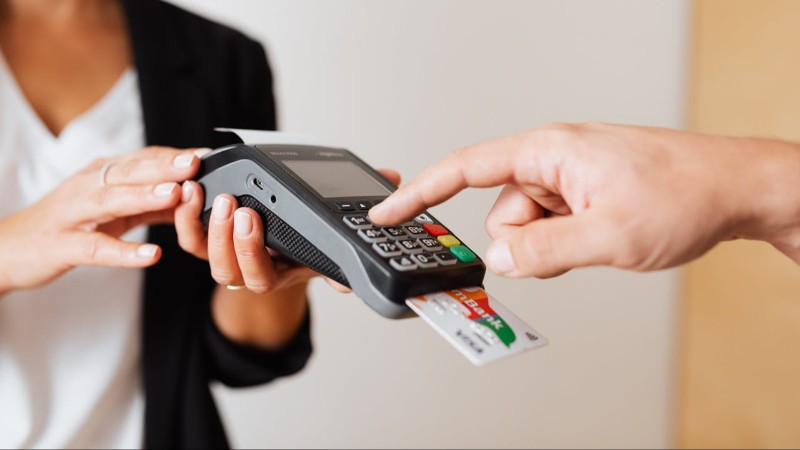
Few moments are as frustrating as hearing "card declined" at the checkout. It's embarrassing and confusing. But that decline message is rarely about you personally. It's a signal from a complex payment system. Understanding the common card payment declined reasons transforms that frustration into a solvable problem. This guide breaks down every potential cause and gives you clear steps to fix it.
Understanding the "Declined" Message: It's Not Always About Money
When your card is declined, the first thought is often about your balance. In reality, a decline is a security or system response. It's a red flag raised by automated systems designed to protect you and the merchant. These issues generally fall into two categories: problems from your bank (the issuer) or problems from the store's system (the merchant).
The Two Main Culprits: Issuer Declines vs. Merchant Declines
Knowing who triggered the decline is the first step to a solution. An issuer decline comes from your bank or card network. They have blocked the transaction. A merchant decline originates from the store's payment terminal or processor. The error is on their end. The cashier's error code often hints at which side is responsible.
Common Issuer-Side Card Payment Declined Reasons
Your bank's primary jobs are to manage your account and prevent fraud. These systems, while protective, can sometimes be overly cautious and block legitimate purchases.
Insufficient Funds or Exceeded Credit Limit
This is the most straightforward reason, but it's not always as simple as your account being empty. Pending authorizations from recent holds (like at a gas station or hotel) can tie up funds, making your available balance lower than it appears. For credit cards, exceeding your limit, even temporarily, will cause a decline.
Suspicious Activity & Fraud Prevention Holds
Banks use sophisticated algorithms to spot unusual spending. A sudden large purchase in a new city, a transaction at a high-risk merchant type, or multiple rapid charges can trigger a security flag. The bank declines the payment to confirm it's really you, often sending an instant text or app alert for verification.
Card Expired, Damaged, or Not Yet Activated
Simple administrative oversights are a frequent cause. Swiping or inserting an expired card will fail. A cracked chip or demagnetized stripe can't transmit data. And if you've just received a replacement card, remember it won't work until you activate it via your bank's app or a phone call.
International Travel or Online Purchase Restrictions
If you haven't set a travel notice, your bank might block transactions from a foreign country to prevent fraud. Some cards also have blocks on international purchases or online transactions that you must manually disable in your account settings.
Common Merchant or Point-of-Sale (POS) System Issues
Sometimes, the problem is entirely on the retailer's side. These issues are often intermittent and outside your control.
Technical Glitches: Connectivity and Processing Errors
The payment terminal needs a stable connection to your bank. Poor Wi-Fi, cellular signal, or a simple system outage at the payment processor can result in a decline. The terminal itself might be outdated or malfunctioning.
Incorrect Card Details Entered
For online or keyed-in transactions, a single wrong digit in the 16-digit card number, the expiry date, or the three-digit CVV code will cause an immediate decline. Always double-check this information, especially when using saved details on older accounts.
Merchant Category Code (MCC) Restrictions
Every business is assigned a code by card networks. Some banks automatically block transactions at certain MCCs, like casinos, cryptocurrency exchanges, or adult entertainment, as part of their cardholder agreement policies.
Immediate Steps to Take When Your Card is Declined
Stay calm and methodical. A systematic approach will usually resolve the issue quickly or at least identify the next step.
Don't Panic: Politely Ask for Clarification
Politely ask the cashier if they received a specific decline code or reason. Phrases like "Insufficient funds," "Pick up card," or "Refer to issuer" can point you toward the right solution. This simple question saves time.
The Quick Fix Checklist
Try a different payment method: Use another card or a digital wallet.
Check for alerts: Look immediately at your phone for a text or app notification from your bank asking to verify the transaction.
Verify PIN entry: Ensure you haven't mistyped your PIN.
Retry the transaction: After a minute, ask the cashier to try the card again. Sometimes a temporary glitch clears.
How to Prevent Future Card Declines
Proactive management of your accounts and cards can dramatically reduce the frequency of these inconvenient interruptions.
Manage Your Account Proactively
Monitor your balances regularly, accounting for pending transactions.
Set up low-balance and transaction alerts in your banking app.
Always set travel notices before a trip, even domestically if your bank allows it.
Keep your bank's contact information saved in your phone.
Maintain Your Card and Details
Activate new cards the day they arrive. Update your card information on all auto-pay subscriptions (Netflix, utilities, etc.) at least a month before your current card expires. If your card shows signs of wear, request a replacement before it fails completely.
When to Contact Your Bank vs. The Merchant
Use this simple rule of thumb to direct your troubleshooting efforts efficiently.
Contact Your Bank If: You suspect fraud, are traveling, have reached your limit, or received a fraud alert. They can clarify security holds, raise limits, or remove travel blocks.
Contact the Merchant If: Other customers are having issues, the terminal appears offline, or you were incorrectly charged after a decline. Their payment system is likely at fault.
Final Thoughts: Empowerment Over Frustration
A declined card is a momentary hiccup in a vast financial network designed for security and speed. By understanding the common card payment declined reasons, you move from feeling embarrassed to being empowered. You can diagnose the issue, take the right corrective action, and get back to your day with minimal stress. Keep this guide in mind, and you'll never be left guessing at the checkout again.
FAQ: Common Questions About Card Payment Declined Reasons
Can a card be declined even if I have money?
Yes, absolutely. Fraud prevention holds, expired cards, travel alerts, or merchant-side technical errors can all cause a decline regardless of your available balance.
What does it mean if my card is declined for "security reasons"?
Your bank's automated system flagged the transaction as unusual. Check your phone for a verification request from your bank via text, email, or app notification to approve the purchase.
Should I try swiping my card again if it's declined?
You can try once more after a minute, especially if you suspect a simple connectivity glitch. However, if it declines a second time, move to another payment method and investigate the root cause to avoid triggering additional fraud alerts.
Why was my card declined for a small purchase but works for larger ones?
This can happen with new cards or after periods of inactivity. Banks sometimes use small "test" transactions from unfamiliar merchants to screen for fraud. Contact your bank to confirm the card is fully activated and has no merchant-type restrictions.
How long does a temporary hold from a declined transaction last on my account?
Typically, these authorization holds fall off within 24 hours, but it can sometimes take 3-5 business days depending on your bank and the merchant's processor. The funds are not actually taken, just reserved.