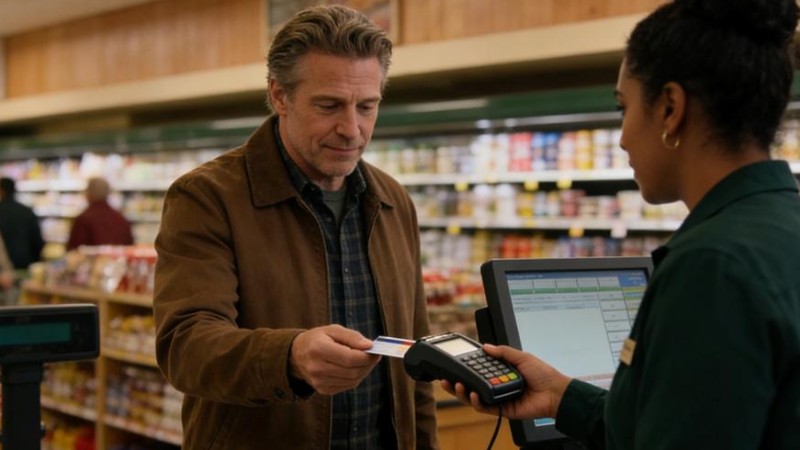
The debate between card payments vs mobile wallets is more than a tech preference. It's about security, speed, and convenience at the point of sale. For consumers and businesses alike, understanding the strengths of each method is key to a smoother checkout experience. Let's break down how they work and where each one shines.
Understanding the Core Technologies
Before comparing, it's helpful to know what's happening behind the terminal. The fundamental processes for cards and mobile wallets are different, which directly impacts their features.
How Traditional Card Payments Work
When you swipe, insert (chip), or tap a physical card, you initiate a chain of communication. Your card data is sent from the merchant's terminal to their bank (the acquirer), then through a card network (like Visa or Mastercard), and finally to your bank (the issuer) for approval. The EMV chip in modern cards creates a unique code for each transaction, which is a major security upgrade from the static data on a magnetic stripe.
How Mobile Wallet Payments Work
Mobile wallets like Apple Pay or Google Pay use Near Field Communication (NFC) to talk to a payment terminal. Crucially, they don't transmit your actual card number. Instead, they use a process called tokenization. Your device creates a unique, random "token" that stands in for your card details. This token, along with a one-time dynamic security code, is what gets sent, making the transaction far more secure.
Key Comparison: Security and Fraud Protection
Security is often the top concern when choosing a payment method. Here’s how the two approaches stack up.
The Vulnerabilities and Protections of Card Payments
Physical cards have improved but still carry risks. The magnetic stripe is vulnerable to skimming devices. Card-not-present fraud (online or phone purchases) is also a threat. Protections include EMV chip technology, which is hard to clone, and zero-liability policies from most major issuers. However, if your physical card is lost or stolen, you must cancel it immediately.
The Built-In Security Advantages of Mobile Wallets
Mobile wallets add multiple security layers. Tokenization means your real card number is never shared with the merchant. Biometric authentication (fingerprint or face ID) or a passcode is required to authorize a payment. Even if your phone is lost, your payment info is secured behind this lock, and you can remotely wipe the wallet. This makes them exceptionally secure for in-person transactions.
Key Comparison: Convenience and Speed at Checkout
How fast can you pay and get on with your day? The user experience differs noticeably.
The Familiar Routine of Using a Card
Using a card is a well-understood process: retrieve your wallet, take out the card, insert or tap it, and sometimes enter a PIN or sign. Its universal acceptance means you rarely wonder if it will work. For many, this routine is second nature and perfectly adequate.
The "Tap-and-Go" Efficiency of Mobile Wallets
Mobile wallets streamline the process. You unlock your phone (often just by looking at it) and hold it near the terminal. There's no fumbling through a wallet. For daily transactions like buying coffee or hopping on transit, this speed is a significant advantage. It also means one less essential item to carry.
Key Comparison: Acceptance and Accessibility
Can you use it everywhere you shop? This practical consideration is vital.
The Near-Universal Reach of Card Terminals
Debit and credit card acceptance is virtually global, both online and in physical stores. Even small businesses and markets often have a card reader. If a place accepts electronic payments, it almost certainly takes cards. This reliability is a powerful benefit.
The Growing (But Still Limited) Reach of Mobile Wallets
Mobile wallet acceptance depends on the merchant having an NFC-enabled contactless terminal. While this is now standard in many regions, especially in urban areas, it's not everywhere. Some smaller retailers or specific regions may not support it. Always have a backup card.
Beyond the Transaction: Additional Features and Benefits
The value of each method extends beyond just completing a sale.
Loyalty Programs and Card-Based Perks
Credit and debit cards are directly tied to rewards programs. You can earn cashback, travel points, or airline miles. Many premium cards also offer additional benefits like purchase protection, extended warranties, or travel insurance, which are triggered when you use the card.
Digital Organization and Utility of Mobile Wallets
Mobile wallets act as a digital hub. Beyond payment cards, you can store loyalty cards, boarding passes, event tickets, and even digital car keys or IDs in some regions. This consolidates your essentials into one device, reducing clutter.
Making the Right Choice: A Situational Guide
So, which should you use? The best answer is often "both," but used strategically.
When to Prioritize Using Your Card
Traveling to areas with lower tech adoption: Rely on your physical card for guaranteed acceptance.
Making large purchases: Use a credit card to benefit from extended warranty or purchase protection perks.
Maximizing specific rewards: If you have a card that offers bonus points at gas stations or grocery stores, use the physical card to ensure the bonus tracks correctly.
When to Prioritize Using Your Mobile Wallet
Daily commutes and transit: The speed of tap-and-go is ideal for buses, subways, or tolls.
In-store grocery or retail shopping: Speed up checkout lines with a quick tap.
When security for everyday purchases is a priority: The tokenization and biometric security of mobile wallets offer superior protection against skimming at public terminals.
The Future of Payments: Convergence and Trends
The line between card payments vs mobile wallets is blurring. Many banks now issue "digital-first" cards that live primarily in your wallet app. Card networks are integrating tokenization directly into their systems. The future is less about one method winning and more about a flexible, secure ecosystem where your preferred payment method—whether a physical card, phone, or even a wearable—works seamlessly everywhere, protected by the best security technology from both worlds.
FAQ: Common Questions About Card Payments vs Mobile Wallets
Are mobile wallets safer than using a physical credit card?
For in-person payments, yes. Mobile wallets use tokenization and biometric locks, so your actual card number is never exposed. A lost phone is also easier to secure remotely than a lost card.
Can I use a mobile wallet if my phone's battery is dead?
No. NFC payments require power. Some transit systems may allow a few emergency taps, but generally, a dead phone means you need your physical card as a backup.
Do all stores accept mobile wallet payments like Apple Pay or Google Pay?
No. Acceptance requires a contactless NFC terminal. While widespread, especially in major chains, some smaller merchants may not have upgraded their equipment yet.
What happens to my mobile wallet payments if I lose my phone?
Your payments are secure. You can use "Find My" or similar services to remotely lock the device or erase the wallet. You should also contact your bank to suspend the digital cards, just as you would with a lost physical card.
Can I get the same rewards and cashback using a mobile wallet as with my physical card?
Yes. When you pay with a mobile wallet, the transaction is processed as if you used your physical card. All rewards, points, or cashback associated with that card will apply normally.